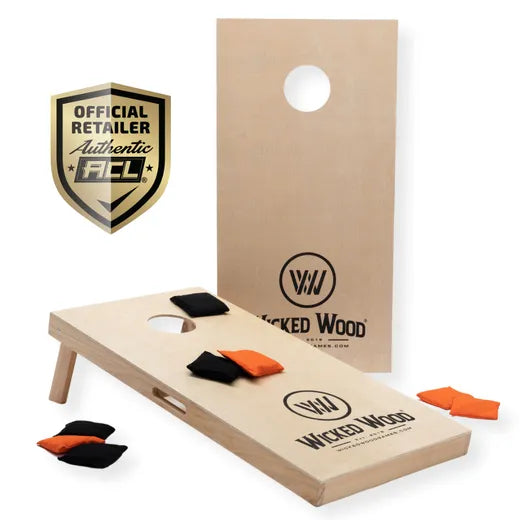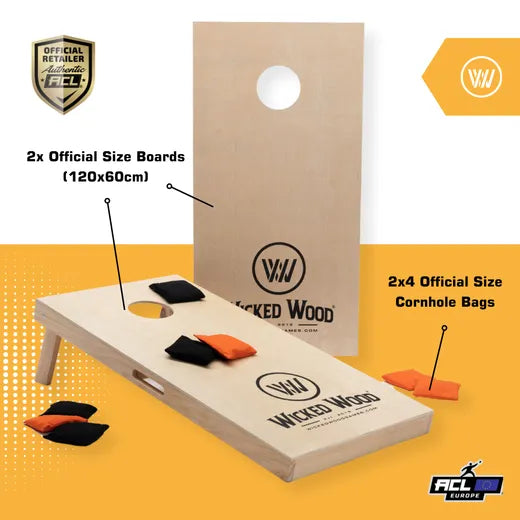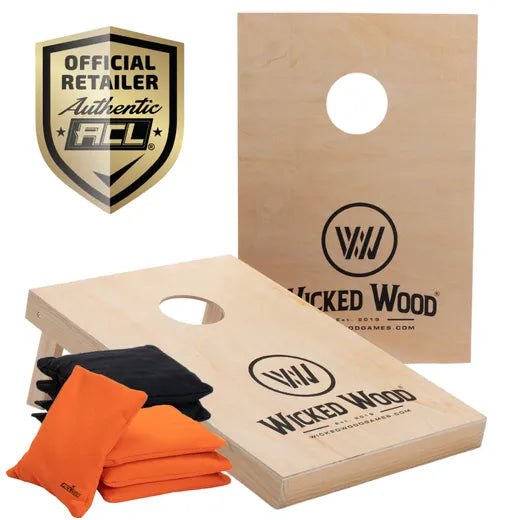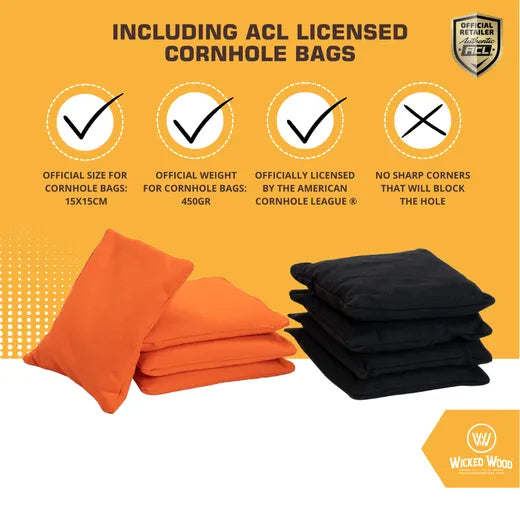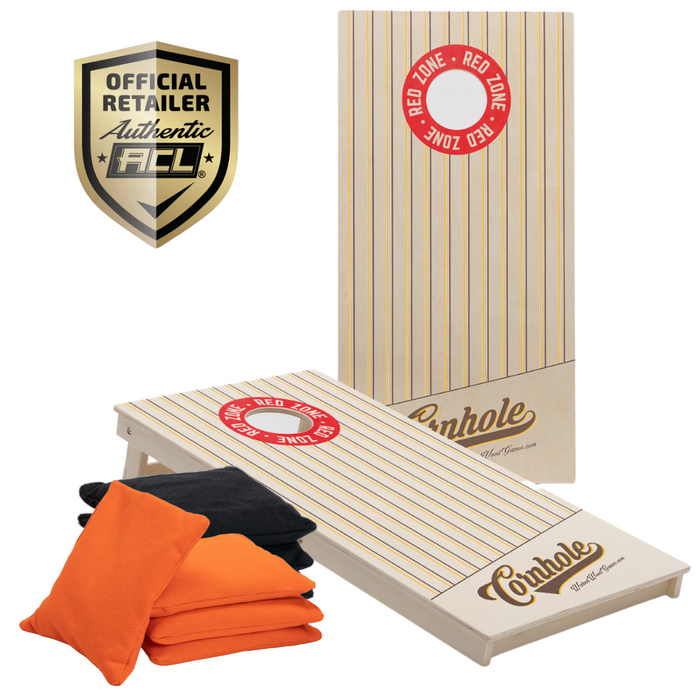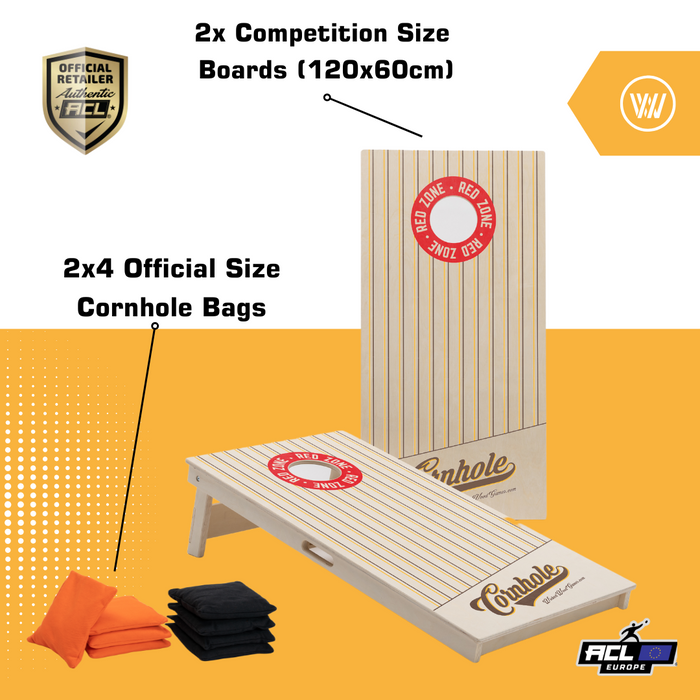
Cornhole, the fun backyard game where you throw bean bags into a hole on a raised platform, has become hugely popular in America. People love playing it, and now it’s even becoming a competitive sport. But is cornhole an Olympic sport? Let’s explore the journey of this game and see whether it will ever make it to the Olympic stage.
Key Steps in Cornhole’s Olympic Journey
- Increase international participation beyond North America
- Establish a globally recognised governing body approved by the IOC
- Standardise rules and equipment for all international competitions
- Improve media coverage and spectator appeal through professional broadcasts
- Demonstrate the sport’s physical challenges and strategic complexity

The Rise of Competitive Cornhole
Cornhole has grown from a simple backyard game into a serious sport with professional competitions and major tournaments. Organisations such as the American Cornhole League (ACL) and American Cornhole Organization (ACO) have made the game more official. They have created rules, established rankings and organised major competitions that attract players from everywhere.
The game has become so popular that some outstanding players can even earn money from cornhole! At major tournaments, the top prize can reach $10,000. This has made more people interested in watching cornhole on TV and has attracted sponsors, making the sport seem more serious and worthy of the Olympics.
What Is Needed to Become an Olympic Sport?
To become an Olympic sport, a sport must meet strict rules set by the International Olympic Committee (IOC). These rules ensure that Olympic sports are played worldwide and fit the values of the Olympic Games. Here are some of the criteria the IOC uses:
- The sport must be played in at least 75 countries on four continents
- There must be a worldwide organisation that follows Olympic rules
- The sport must be physically challenging and showcase athletic skills
- The sport must have a history of major international competitions
- The sport must be enjoyable to watch and suitable for both men and women
- There must be a clear way to score and judge the game fairly
Cornhole is growing quickly, but still has some work to do to meet all these requirements. It is most popular in the United States, but people are working hard to make it more popular in other countries as well.

The Push for Olympic Recognition
Cornhole fans, professional players and organisations are working extremely hard to make the sport more popular and get noticed by the Olympic Committee. They are doing all kinds of things to help, such as:
Organising more international tournaments to show how exciting cornhole can be, promoting the game in new countries to make it global, making sure the rules are the same everywhere so it is fair for everyone, making it more entertaining to watch on TV, starting programmes for children to learn and play, and showing that cornhole requires both physical skill and smart thinking.
People who love cornhole are very passionate about it. Some have even started online petitions to include cornhole in the Olympic Games, and thousands of people have signed! This shows how much support there is for cornhole as an Olympic sport. But it’s important to remember that becoming an Olympic sport takes a long time and a lot of work.
The Future of Cornhole: Olympic Dreams and Beyond
Although cornhole is not yet an Olympic sport, it is becoming more popular every day. People of all ages are starting to play, and big companies are noticing it too. Some even sponsor major tournaments and professional players. This helps more people learn about cornhole and gives the sport financial support to grow even further.
More TV channels and streaming services are showing cornhole matches, which means millions of new people can see the game and want to try it. Cornhole is easy to understand but can have thrilling comebacks, which makes it fun to watch.
Whether or not cornhole becomes an Olympic sport, it is already a true competitive sport with a promising future. Anyone can play cornhole, regardless of age or athletic ability, which makes it a great game for everyone. For those who want to be the best, there are now opportunities to train, travel and even earn money from the sport they enjoy.
Cornhole for Everyone
One of the best things about cornhole is that anyone can play it. It is simple to understand but can be really challenging if you want to become good at it. This makes it enjoyable both for people who just want to play for fun and for those who want to compete seriously. Cornhole is popular at parties, work events and charity fundraisers, which helps introduce more people to it.
Cornhole is even part of the Special Olympics programme. This shows how the game can be adapted for people with different abilities, making it truly a sport for everyone. The fact that the Special Olympics have included cornhole proves that it can bring people together and keep everyone active.
As cornhole continues to grow, it is creating a community of players from all walks of life. Local leagues and tournaments give people the chance to make new friends and have fun while competing. Online communities allow players to share tips, talk about strategy and organise events. This grassroots support is very important for helping the sport grow and perhaps even reach the Olympic Games.
Conclusion: The Olympic Dream Lives On
Although cornhole is not yet an Olympic sport, its journey from a simple backyard game to a competitive sport with professional leagues and international tournaments is truly impressive. The passion of its players and fans, together with the hard work of organisations such as the ACL and ACO, keeps the Olympic dream alive and helps the sport grow.
As cornhole becomes more popular worldwide and increasingly professional, the chances of it becoming an Olympic sport get better every year. The people responsible for cornhole are working hard to meet the Olympic Committee’s requirements, and growing international interest shows that one day cornhole may receive the recognition its supporters believe it deserves.
Even if cornhole never makes it to the Olympic Games, it is already very successful. The sport has created a fantastic community, given athletes opportunities to compete at a high level and brought enjoyment to millions of recreational players around the world. It reminds us that the value of a sport is not only about Olympic medals, but also about bringing people together and improving their lives.
So the next time you play cornhole, whether it’s in your back garden, at a local tournament or watching professionals compete on TV, remember: you’re not just playing a game, you’re part of a growing movement centred on friendly competition and community. Who knows? With continued passion and dedication from players and organisers, you might just be witnessing the first steps of the next great Olympic sport!